The interactive workshop session, organised by CE4CE project, will explore the cooperation of various public transport stakeholders including operators, authorities, experts, associations and private sector who have integrated circular economy aspects into public transport to prolong and preserve value of infrastructure and vehicles in European cities. Through expert presentations and group discussions, participants will gain insights into innovative, successfully implemented best practices on how to make public transport more circular, for example how to reuse infrastructure, extend the lifespan of the fleet with in-house developments and make use of second-hand market for public transport.
Coordinator's website
To register for an EURegionsWeek close to you session, you will need to go to the Coordinator's website. The EURegionsWeek organisers do not process any participant data for these sessions, and are not responsible for their content.
- Circular economy | Climate and environment | EU/ European | INTERREG | Mobility and Transport | Sustainable | Urban
- Code: Side253674
- Online Session
Practical information
- When
-
Wed 19/11/2025, 09:00 - 12:00 CET
- Where
- Online Session
- Type of partnership
- EURegionsWeek close to you
- Format
- Side
- Theme
-
Cities building tomorrow
- Language
- English
Partners

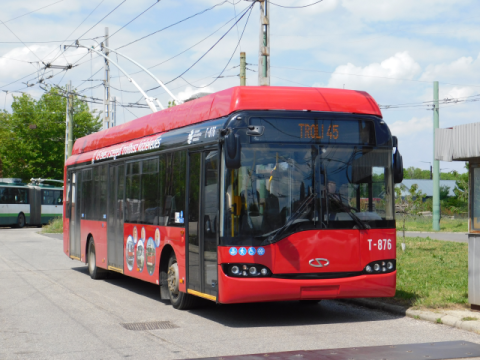
Trolley:motion – Association for the promotion of modern trolleybus systems
Reporting
Session summary
Public‑transport infrastructure and vehicles can have their useful life significantly extended by applying circular economy principles (reuse, refurbishment, smart maintenance instead of constant replacement).
Cooperation across stakeholders (operators, authorities, suppliers, maintenance companies) is crucial — not just replacing, but reusing components (e.g. older parts) and using second‑hand markets for spare parts reduces waste and costs.
Technical innovation matters: using refurbished or retrofitted components (e.g. updated door control units or modernized systems) can meet current safety/regulation standards while extending vehicle lifespan.
Circular practices aren’t only environmentally beneficial but also cost‑efficient: prolonging asset life reduces the need for new purchases, saving resources and money over time.